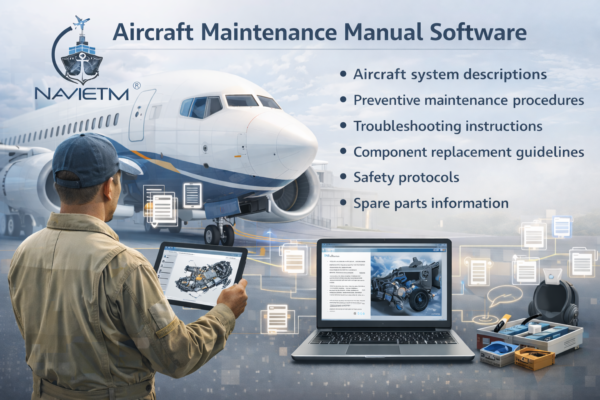
Best Aircraft Maintenance Manual Software
Aircraft maintenance is one of the most critical aspects of aviation safety. Modern aircraft contain thousands of components, advanced electronics, complex mechanical systems, and highly sensitive safety mechanisms. To ensure that aircraft operate safely and efficiently, technicians rely on accurate and well-structured maintenance manuals.
In the past, aviation organizations used large paper manuals to manage maintenance procedures. However, with the growth of digital technologies and the increasing complexity of aircraft systems, traditional documentation methods are no longer efficient.
This is why aviation companies and defence organizations are adopting Aircraft Maintenance Manual Software to manage technical documentation in a structured and digital format. These platforms allow engineers, technicians, and aviation professionals to quickly access maintenance instructions, troubleshooting guides, and technical data.
Solutions such as NavIETM® provide advanced documentation management systems that support international standards like S1000D, enabling organizations to create interactive and structured aircraft maintenance manuals.
In this guide, we will explore what aircraft maintenance manual software is, its key features, benefits, and how to choose the best solution for aviation operations.
What is Aircraft Maintenance Manual Software?
Aircraft Maintenance Manual Software is a specialized digital platform used to create, manage, and distribute technical manuals for aircraft maintenance and repair.
These manuals contain detailed information about aircraft systems, including procedures for inspection, repair, and component replacement. Maintenance engineers rely on these manuals to ensure that aircraft are serviced according to safety regulations and manufacturer standards.
Modern documentation systems organize technical information into structured modules using standards such as S1000D. This modular approach allows aviation organizations to manage large volumes of technical data efficiently.
Aircraft maintenance manuals typically include information such as:
- Aircraft system descriptions
- Preventive maintenance procedures
- Troubleshooting instructions
- Component replacement guidelines
- Safety protocols
- Spare parts information
By digitizing this documentation, aviation organizations can ensure that technicians always have access to the most up-to-date maintenance information.
Why Aviation Organizations Need Aircraft Maintenance Manual Software
The aviation industry operates under strict safety regulations. Every maintenance procedure must be documented accurately and followed carefully. Managing this information manually can create significant challenges.
Aircraft Maintenance Manual Software helps aviation organizations solve these problems by providing a centralized system for managing technical documentation.
Key reasons aviation companies use these platforms include:
- Faster access to maintenance information
- Improved documentation accuracy
- Reduced manual paperwork
- Better compliance with aviation standards
- Easier updates and document control
Digital documentation systems also allow technicians to access manuals on tablets or laptops, which improves efficiency during maintenance operations.
Key Features of the Best Aircraft Maintenance Manual Software
Choosing the best aircraft maintenance manual software requires understanding the essential features that support aviation documentation workflows.
Structured Technical Documentation
Modern aviation manuals are created using structured documentation standards such as S1000D. These standards allow documentation to be divided into reusable modules known as Data Modules.
Structured documentation improves consistency and simplifies content updates.
Common Source Database (CSDB)
A Common Source Database (CSDB) is a centralized repository where all documentation modules are stored and managed.
Platforms like NavIETM® use advanced CSDB systems to manage thousands of technical documents efficiently.
Benefits of CSDB include:
- Centralized data storage
- Version control
- Content reuse
- Improved document management
Interactive Electronic Technical Manuals (IETM)
Modern aircraft maintenance manuals are no longer static PDF documents. Instead, they are often delivered as Interactive Electronic Technical Manuals (IETMs).
IETMs provide interactive features such as:
- Hyperlinked procedures
- Interactive diagrams
- Embedded videos
- 3D aircraft component illustrations
- Step-by-step troubleshooting guides
These features help technicians complete maintenance tasks more efficiently.
Multi-Format Publishing
The best aircraft maintenance manual software supports multiple publishing formats, including:
- PDF manuals
- Web-based documentation
- Interactive manuals
- Mobile device manuals
This flexibility allows maintenance teams to access information from any device.
Version Control and Document Tracking
Aircraft documentation must always remain up to date. Version control systems track changes and ensure that technicians are using the latest approved documentation.
This feature is essential for maintaining aviation safety and regulatory compliance.
Security and Access Control
Aircraft technical documentation often contains sensitive engineering information. Modern documentation systems include advanced security features such as:
- Role-based access control
- Secure document sharing
- Data encryption
- Audit trails
These features help protect critical aviation data.
Benefits of Using Aircraft Maintenance Manual Software
Aircraft Maintenance Manual Software provides several important advantages for aviation organizations.
Improved Maintenance Efficiency
Digital manuals allow technicians to quickly locate maintenance procedures using search functions and interactive navigation.
Faster Documentation Updates
Changes to aircraft systems can be updated in the documentation system and instantly reflected across all manuals.
Reduced Documentation Costs
Modular documentation reduces duplication and simplifies content management.
Improved Training for Technicians
Interactive manuals help technicians understand complex maintenance procedures more easily.
Better Regulatory Compliance
Aviation authorities require strict documentation standards. Digital documentation systems help organizations maintain compliance with these regulations.
How to Choose the Best Aircraft Maintenance Manual Software
Selecting the right software solution is critical for aviation organizations.
Here are several factors to consider when evaluating aircraft maintenance manual software.
Compliance with Aviation Standards
The software should support international documentation standards such as S1000D.
Scalability
Aircraft documentation systems must be capable of managing large volumes of technical data across multiple aircraft models.
Ease of Use
The system should provide an intuitive interface for both technical writers and maintenance technicians.
Integration Capabilities
The software should integrate with existing aviation systems such as maintenance management platforms and logistics systems.
Security Features
Since aviation documentation contains sensitive information, strong security and access control are essential.
Why NavIETM® is a Powerful Solution for Aircraft Documentation
Platforms like NavIETM® provide a comprehensive environment for managing aircraft technical documentation.
Key capabilities include:
- Full support for S1000D
- Advanced CSDB management
- Interactive IETM publishing
- Secure document workflows
- Scalable architecture for aviation projects
These features make it easier for aviation organizations to manage complex aircraft maintenance documentation.
Future of Aircraft Maintenance Documentation
The aviation industry is rapidly evolving with the introduction of advanced digital technologies.
Future aircraft documentation systems are expected to include innovations such as:
Artificial Intelligence
AI-powered systems can help technicians diagnose maintenance issues and recommend repair procedures.
Augmented Reality (AR)
AR technology allows technicians to visualize aircraft components and maintenance instructions in real time.
Digital Twin Technology
Digital twins enable real-time monitoring of aircraft systems, providing predictive maintenance guidance.
Cloud-Based Documentation
Cloud platforms allow aviation teams to collaborate and access documentation from anywhere in the world.
These technologies will make aircraft maintenance documentation more interactive, efficient, and intelligent.
Frequently Asked Questions (FAQ)
What is aircraft maintenance manual software?
Aircraft maintenance manual software is a digital system used to create, manage, and distribute technical manuals that provide maintenance instructions for aircraft systems.
Why is aircraft maintenance documentation important?
Maintenance documentation ensures that technicians follow correct procedures when inspecting, repairing, and maintaining aircraft, which is essential for aviation safety.
What is S1000D in aircraft documentation?
S1000D is a global standard used to create structured technical documentation for aerospace and defence industries.
What is an Interactive Electronic Technical Manual (IETM)?
An IETM is a digital manual that provides interactive features such as searchable procedures, multimedia content, and linked technical data.
What features should the best aircraft maintenance manual software include?
The best software should include structured documentation, CSDB management, interactive manuals, version control, and strong security features.
Conclusion
Aircraft maintenance documentation plays a crucial role in ensuring aviation safety and operational efficiency. As aircraft technology becomes more advanced, traditional documentation methods are no longer sufficient.
Modern Aircraft Maintenance Manual Software provides aviation organizations with powerful tools to manage technical documentation efficiently. By adopting structured documentation standards such as S1000D, organizations can create reusable, interactive, and easily accessible maintenance manuals.
Solutions like NavIETM® help aviation companies streamline documentation processes, improve maintenance efficiency, and ensure compliance with global aviation standards.